Is the Oura Ring Worth It for Sleep Tracking? An Honest Review
Wondering if the Oura Ring is worth it? This in-depth review explains what it tracks, how it helps, and whether the price makes sense for your sleep goals.
1/7/202610 min read
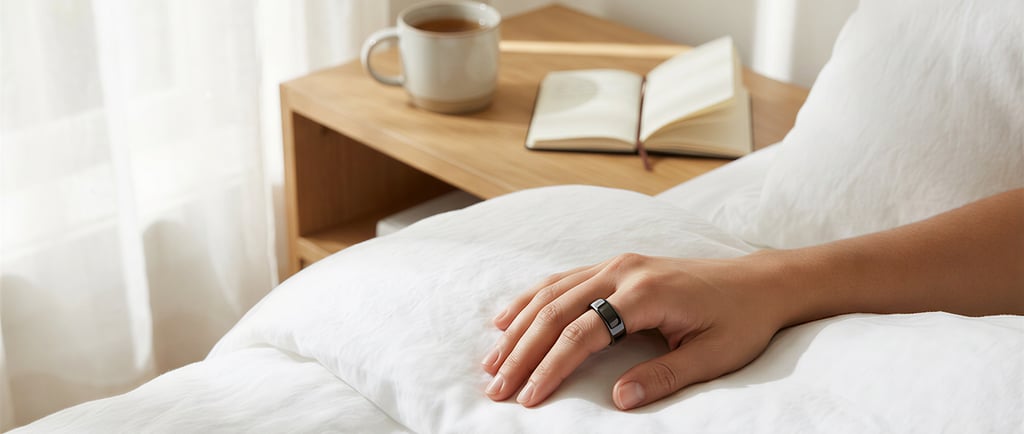
You're sleeping seven or eight hours a night. You're going to bed at a reasonable time. You're avoiding screens before bed. But somehow, you still wake up feeling heavy, foggy, unrested.
Sound familiar?
This is the gap that sleep tracking promises to fill. Not the basics—you probably already know those—but the subtle patterns underneath. The things you can't feel or measure on your own.
The Oura Ring is one of the most talked-about tools in this space. It's sleek, discreet, and backed by a loyal following of wellness enthusiasts and biohackers. But it's also expensive, requires a subscription, and won't magically fix your sleep.
So is it worth it?
This review will help you decide. We'll look at what the Oura Ring actually does, who benefits most from it, and whether the investment makes sense for your goals. No hype. Just a practical look at what this device offers—and what it doesn't.
If you’re short on time, you can jump to the sections on what the Oura Ring tracks, who it’s best for, or whether it’s worth the price.
Why Sleep Tracking Can Be Helpful (When Used Correctly)?
Before we dive into the Oura Ring specifically, let's talk about sleep tracking in general.
The purpose of tracking isn't perfection. It's awareness.
Most of us operate on guesswork when it comes to sleep. We assume we slept well because we don't remember waking up. We blame a rough night on stress without noticing it happened three times this week. We try new habits but never know if they're actually working.
Tracking creates a feedback loop. It shows you patterns you wouldn't notice otherwise—like how your sleep changes after a late workout, or how alcohol affects your deep sleep even when you don't feel hungover.
But here's the important part: tracking works best when it supports healthy habits, not replaces them.
If you're already working on improving your sleep naturally—adjusting your routine, managing stress, creating a better environment—then tracking can show you what's working. It adds clarity. It helps you connect the dots.
If you're not doing those things, the data won't help. It'll just be numbers.
The key is using tracking as a tool for reflection, not obsession. Weekly trends matter more than single nights. Insights matter more than scores.
Used this way, sleep tracking can be genuinely valuable.
What Is the Oura Ring?
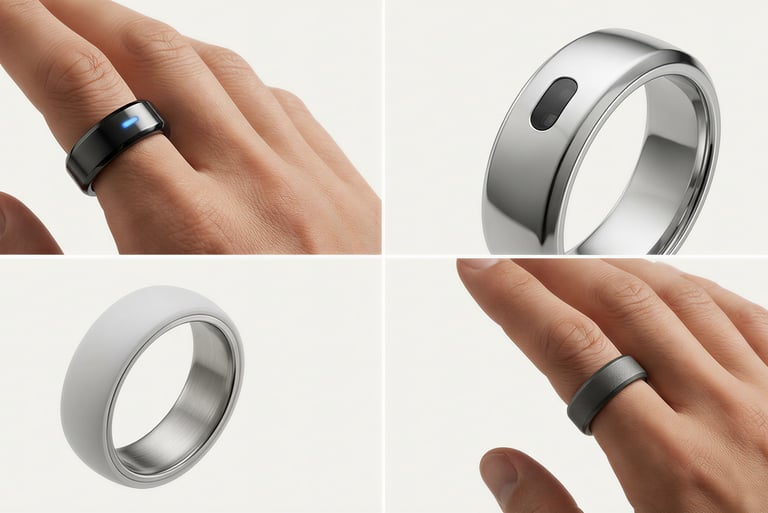
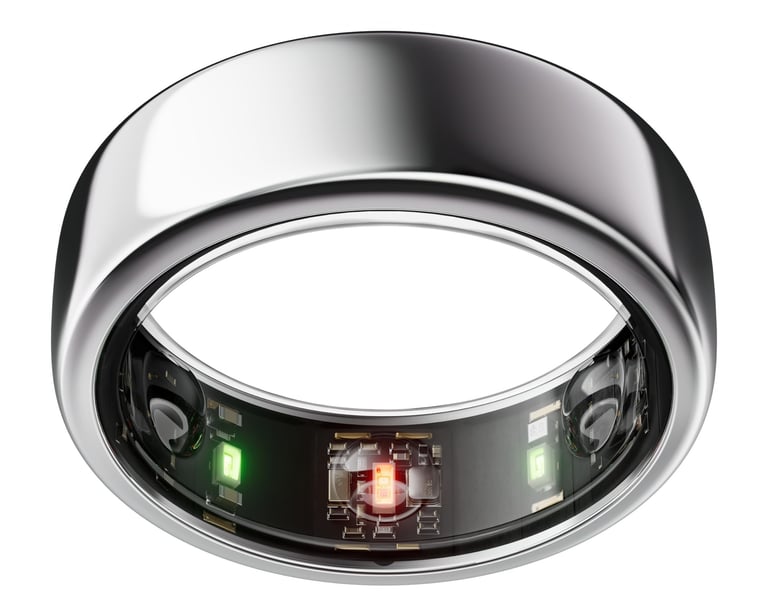
The Oura Ring is a wearable sleep and activity tracker shaped like, well, a ring.
It sits on your finger and collects biometric data 24/7—heart rate, body temperature, movement, and more. All of this feeds into an app that breaks down your sleep stages, recovery, and overall readiness.
What makes it different from smartwatches or phone apps?
First, it's designed specifically for sleep and recovery, not fitness or notifications. There's no screen. No alerts. It's passive.
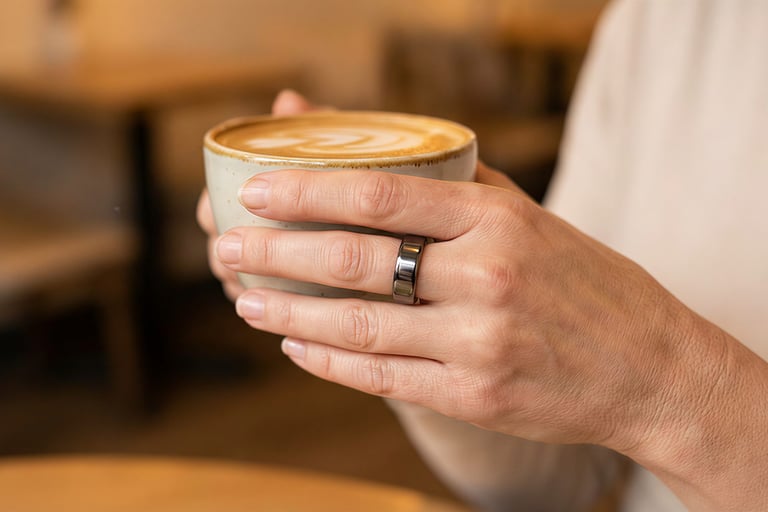
Second, it's comfortable to wear at night. Many people find wrist devices bulky or distracting during sleep. The ring is lightweight and unobtrusive once you adjust to it.
Third, it tracks body temperature, which most wearables don't. This can reveal subtle changes in your baseline that correlate with recovery, illness, or hormonal shifts.
The Oura Ring isn't a medical device. It won't diagnose sleep disorders or replace a doctor's advice. But for people who want a clear, detailed picture of their sleep patterns, it's one of the most refined tools available.
What the Oura Ring Tracks (In Plain Language)?
Let's break down what the Oura Ring actually measures—and what it means in practical terms.
Sleep Stages and Duration
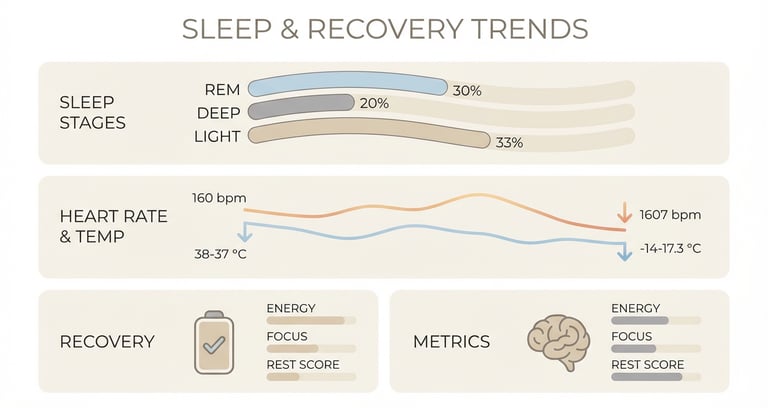
The ring tracks how long you sleep and how you move through different stages: light sleep, deep sleep, and REM sleep.
Deep sleep is when your body physically repairs itself. REM sleep is where memory consolidation and emotional processing happen. Light sleep is transitional but still restorative.
The app shows you how much time you spent in each stage and how it compares to your baseline. This can help you see if certain habits—like caffeine timing or evening stress—are cutting into your deep or REM sleep.
Nighttime Movement and Restlessness
The ring picks up on how much you toss and turn during the night.
Some movement is normal. But frequent restlessness can signal discomfort, stress, or disrupted breathing. Over time, you might notice patterns—like more restlessness on nights when you eat late or sleep in a warm room.
Body Temperature Trends
This is one of the Oura Ring's unique features.
It doesn't give you an exact temperature. Instead, it tracks deviations from your personal baseline. A slight rise or drop can indicate early illness, overtraining, or hormonal changes.
For example, if your temperature spikes before you feel sick, you might adjust your schedule to rest. Or if it drops after a particularly hard workout, you'll know your body is still recovering.
Heart Rate and Recovery Signals
The ring tracks your resting heart rate and heart rate variability (HRV) during sleep.
Resting heart rate is fairly straightforward—lower is generally better, assuming you're healthy. HRV is a bit more nuanced. It measures the variation in time between heartbeats, and higher variability usually means your nervous system is balanced and ready to handle stress.
If your HRV is consistently low, it might mean you're overtrained, under-rested, or dealing with chronic stress.
Readiness Score Explained Simply
Each morning, the Oura app gives you a "readiness score" based on your sleep, recovery, and activity levels.
It's not a prescription. It's a suggestion.
A high score means your body is well-rested and primed for effort. A low score means you might benefit from taking it easier that day—lighter workouts, more rest, gentler stress.
Some people love this feature because it gives them permission to rest. Others find it limiting. Your mileage will vary.
What the Oura Ring Does Well?
After using the Oura Ring (or reading feedback from long-term users), a few strengths stand out.
It's comfortable during sleep. This sounds minor, but it matters. If you've ever tried sleeping with a bulky fitness watch, you know how distracting it can be. The ring disappears once you get used to it.
It collects data passively. You don't have to remember to charge it every day or tap buttons before bed. It just works in the background.
It's excellent for long-term trend analysis. The app shines when you zoom out. Weekly and monthly views help you spot patterns you'd never catch day-to-day—like how travel affects your recovery, or how your sleep quality shifts with the seasons.
The app experience is thoughtful. Oura's interface is clean, intuitive, and focused. It doesn't overwhelm you with data. Instead, it offers insights in plain language, helping you understand what the numbers mean.
It helps connect habits to outcomes. Did you sleep better this week because you stopped drinking coffee after 2 p.m.? Did your readiness score improve after adding a morning walk? The ring helps you test and verify these connections.
For people who are curious about their bodies and motivated by feedback, these features can be genuinely empowering.
Limitations and Things to Consider
Now let's talk about the downsides, because they're real.
It requires a subscription. After the initial trial period, Oura charges a monthly fee to access your data and insights. Some people are fine with this. Others find it frustrating—especially since you've already paid for the hardware.
It's not a medical device. The Oura Ring can't diagnose sleep apnea, insomnia, or other disorders. If you suspect a medical issue, you need a sleep study, not a consumer wearable.
Data interpretation still requires judgment. The ring gives you information, but it doesn't tell you what to do. You still have to decide how to respond. Should you skip your workout because your readiness is low? Or push through because you feel fine? The ring can't answer that.
Cost vs. value is subjective. Between the ring itself and the subscription, this is a significant investment. For some, it's worth every penny. For others, a free sleep app or basic fitness tracker does enough.
It's not ideal for people who dislike data. If tracking makes you anxious or obsessive, the Oura Ring might amplify that. More information isn't always better—especially if it creates stress around something that should feel natural.
Be honest with yourself about these limitations before buying.
Who the Oura Ring Is Best For?
The Oura Ring works best for a specific kind of person.
You're already working on your sleep habits. You've dialed in the basics—consistent bedtime, dark room, cool temperature—and now you want deeper insight.
You like reflection and self-awareness. You're the kind of person who journals, tracks habits, or enjoys experimenting with routines to see what works.
You're looking for patterns, not instant fixes. You understand that sleep optimization is a long game, and you're willing to observe trends over weeks and months.
You appreciate well-designed tools. You're drawn to products that feel thoughtful, refined, and intentional.
If that sounds like you, the Oura Ring might be a great fit.
For people who value long-term sleep and recovery insights:
Oura Ring remains one of the most refined options available.
Who Should Probably Skip It?
On the other hand, the Oura Ring isn't for everyone.
If you're expecting it to "fix" your sleep, you'll be disappointed. The ring provides information. It doesn't change your habits for you.
If you're sensitive to data anxiety—if tracking makes you overthink or stresses you out—this might not be the right tool. More numbers won't help if they make sleep feel like a performance.
If you want a one-time purchase only, the subscription model might be a dealbreaker. That's valid.
And if you're just starting your sleep journey, it might be worth focusing on the fundamentals first—routine, environment, stress management—before adding a premium tracker. You can always invest in tracking later once the basics are in place.
Oura Ring vs. Other Sleep Tracking Options
How does the Oura Ring compare to other options?
Phone apps are free and convenient, but they rely on movement and sound detection. They can't measure heart rate, HRV, or body temperature, so the insights are more limited.
Fitness watches like the Apple Watch or Garmin offer sleep tracking as part of a broader feature set. They're bulkier to wear at night, and their sleep algorithms tend to be less refined. But if you're already using one for fitness, it might be enough.
Other smart rings exist, but few match Oura's accuracy, app experience, or ecosystem. If you're considering a ring specifically, Oura is the most established option.
Premium tracking makes sense for some, not all. If sleep and recovery are priorities for you—if you're an athlete, shift worker, or someone dealing with chronic fatigue—the extra precision might be worth it. If you just want a rough sense of your sleep, simpler tools will do.
How to Use Sleep Tracking Without Overthinking It?
Here's the mindset shift that makes tracking useful instead of stressful:
Focus on weekly trends, not daily scores. One bad night doesn't matter. Five bad nights in a row is worth investigating.
Use insights, not just numbers. Don't just look at your sleep score—ask why it changed. What was different yesterday? Can you spot a pattern?
Pair tracking with action. Data without habits is just trivia. If you notice alcohol hurts your deep sleep, try cutting it out for two weeks and see what happens.
Give yourself permission to ignore the data sometimes. If you feel great despite a low readiness score, trust your body. The ring is a tool, not a boss.
When you treat tracking as a feedback loop—test, observe, adjust—it becomes genuinely helpful.
Is the Oura Ring Worth the Price?
If you decide it fits your goals, you can learn more about the best version of the Oura Ring here.
The honest answer: It depends.
If you're serious about optimizing your health and you value self-knowledge, the Oura Ring can be a powerful long-term tool. It won't transform your life overnight, but it can help you understand your body more deeply and make better decisions over time.
The cost is real. But so is the value—if you use it consistently and act on what you learn.
Think of it this way: If the insights help you improve your sleep quality even modestly—more energy, better focus, fewer sick days—how much is that worth to you?
For some people, it's an easy yes. For others, the money is better spent elsewhere.
Only you can decide which camp you're in.
Final Thoughts
Sleep tracking isn't magic. The Oura Ring won't solve your sleep problems by itself.
But awareness paired with action? That's a different story.
If you're already committed to improving your sleep naturally—building routines, managing stress, optimizing your environment—then tracking can add a valuable layer of feedback. It shows you what's working. It helps you fine-tune. It connects the dots between your choices and your outcomes.
The Oura Ring is one of the best tools for this kind of work. It's thoughtfully designed, remarkably accurate, and genuinely useful for people who want to understand their bodies better.
But it's still just a tool.
The real work—the work that actually changes your sleep—happens in how you live. Your routines. Your environment. Your relationship with rest.
If you're ready to put in that work, the Oura Ring may help you do it more effectively.
If not, no ring will make the difference.
Take some time to evaluate your goals. Be honest about whether you'll use it. And if you decide to invest, use it as part of a bigger strategy—not a shortcut.
Good sleep is built, not bought. But the right tools can make the building a little clearer.
FAQ
Q: How accurate is the Oura Ring for sleep tracking?
A: The Oura Ring isn’t a medical device, but for many users its sleep stage estimation, heart rate, and recovery metrics align closely with personal sleep patterns over time. It’s best seen as a wellness tool rather than a clinical instrument.
Q: Does the Oura Ring work without a subscription?
A: The ring collects data without a subscription, but full access to trend insights, readiness scores, and long-term history usually requires the ongoing membership.
Q: Can the Oura Ring improve my sleep?
A: The Ring itself doesn’t improve sleep, but it provides feedback that can help you refine habits, environment, and routines — when paired with intentional action.
Q: Is the Oura Ring worth it for everyone?
A: It’s most valuable for users already serious about sleep optimization, self-awareness, and long-term trend tracking. It’s less appropriate if you’re just starting your sleep journey or sensitive to data anxiety.