Best Mattresses for Lower Back Pain Relief - What Actually Works in 2026
Discover how the right mattress can ease lower back pain by balancing support and pressure relief—top picks for memory foam and hybrid sleepers.
SLEEP & CONFORT
1/2/202610 min read
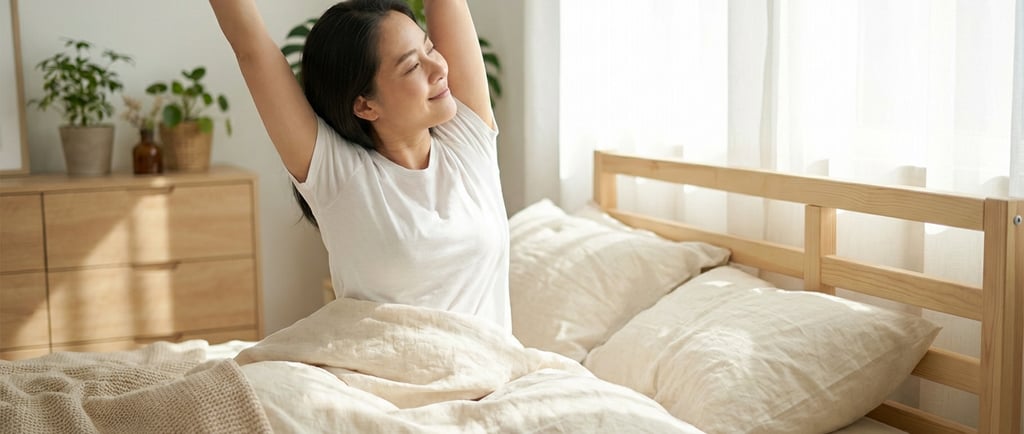

You wake up stiff. Your lower back aches before you've even gotten out of bed. You stretch, hoping it'll fade, but the discomfort follows you into the shower, into your commute, into your day. You've tried exercises, better posture, maybe even physical therapy—but every morning, it's the same story.
Here's the thing most people miss: if your mattress isn't supporting your spine properly, nothing else you do during the day can fully compensate. You're spending seven to nine hours in a position that either relieves pressure on your lower back or quietly makes it worse. And if you're waking up in pain, your mattress is probably working against you.
This isn't about chasing the "perfect" mattress or falling for marketing gimmicks. It's about understanding what your body actually needs while you sleep—and finding a mattress that delivers it without costing a fortune or requiring a PhD in sleep science to choose.
Why Your Mattress Might Be Causing (or Fixing) Your Lower Back Pain?
Let's start with what actually happens when you lie down.
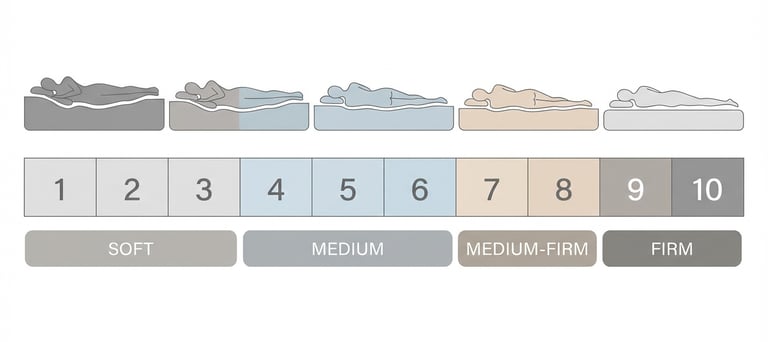
Your spine has a natural curve—slight inward curves at your neck and lower back, and an outward curve in your upper back. When you sleep, your mattress should support that curve, not flatten it out or exaggerate it. If your mattress is too soft, your hips sink too far, pulling your lower back out of alignment. If it's too firm, your hips and shoulders don't sink enough, leaving a gap under your lower back that gets no support at all.
This is where a lot of mattress advice gets it wrong. You'll hear people say "firm mattresses are best for back pain," but that's oversimplified. What you actually need is a mattress that keeps your spine neutral—not too much sinkage, not too little cushioning. For most people with lower back pain, that lands somewhere in the medium to medium-firm range.
Pressure points matter, too. If your mattress pushes too hard against your hips or shoulders, your body compensates by tensing up—often in your lower back. A good mattress distributes your weight evenly so your muscles can actually relax overnight. That's the difference between waking up rested and waking up like you've been holding a plank all night.
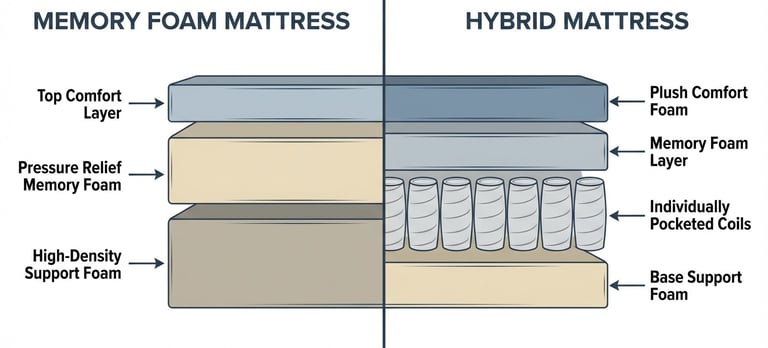
Material plays a role, but it's not everything. Memory foam contours closely and relieves pressure, but some people find it too enveloping or warm. Hybrid mattresses combine foam comfort layers with innerspring support, offering more bounce and airflow. Neither is universally "better"—it depends on how you sleep and what your body responds to.
And here's something that connects directly to how you feel in the morning: even if you're logging enough hours in bed, poor spinal support can leave you feeling unrested. If you're curious why that happens, this breakdown of why you wake up tired even after sleeping explains the science behind it.
How These Mattresses Were Chosen?
I'm not going to pretend I slept on a hundred mattresses in a lab. What I did was focus on models that check the boxes most people with lower back pain actually need: balanced support, good pressure relief, spinal alignment, and reasonable prices. I prioritized mattresses with strong user feedback around back pain relief and chose options across different types—memory foam, hybrid, budget, and premium—so there's something here no matter what you're looking for.
No mattress will fix a herniated disc or cure chronic pain. But the right one can reduce strain, support better alignment, and help you wake up without that immediate stiffness. That's the goal here.
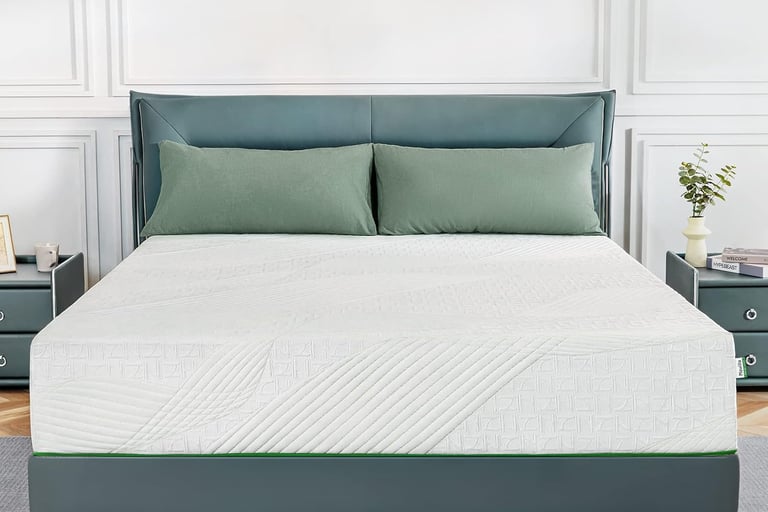
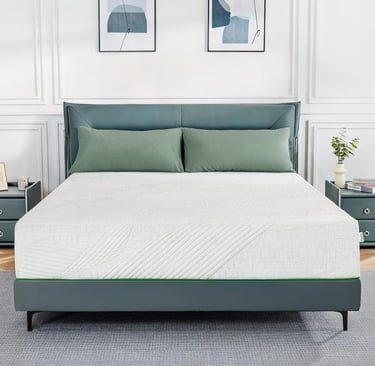
Zinus Medium-Firm Memory Foam – Best Overall Foam for Back Pain Relief
If you want straightforward memory foam support without the luxury price tag, this is where I'd start.
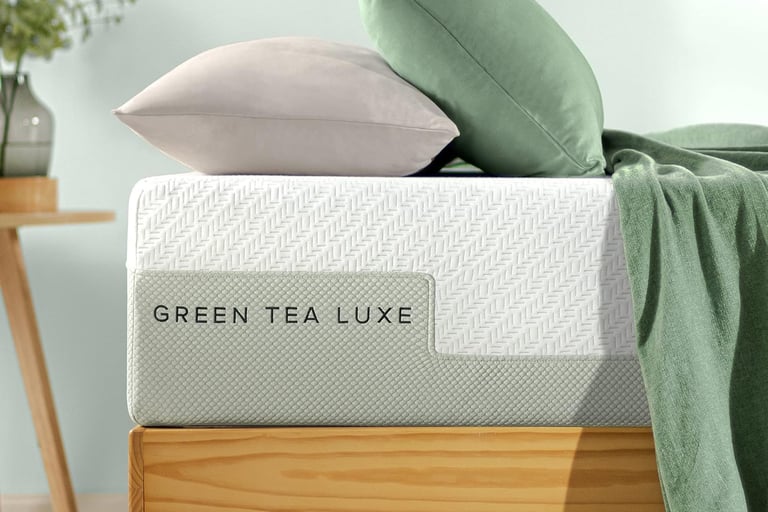
The Zinus medium-firm memory foam mattress is built with multiple foam layers designed to balance contouring and support. The top layer offers pressure relief around your hips and shoulders, while the base layer keeps your spine from sinking too far. That combination is especially helpful for back sleepers and side sleepers who need their lower back supported without feeling like they're sleeping on concrete.
It's a genuine supportive feel—not the kind that brands label "medium-firm" but actually feels like a marshmallow. You'll get some contouring, but your body stays relatively level throughout the night. That's key for keeping your lumbar spine in a neutral position.
One thing to know: memory foam does trap some heat. If you sleep hot, you might want to pair this with breathable sheets or consider a hybrid instead. But for pressure relief and spinal alignment, especially at this price point, it's tough to beat.
Who it's best for: Back sleepers and side sleepers who want contouring support without excessive sinkage. Also a solid pick if you're trying memory foam for the first time and don't want to overspend.
Check availability on Amazon to see current options and sizes.
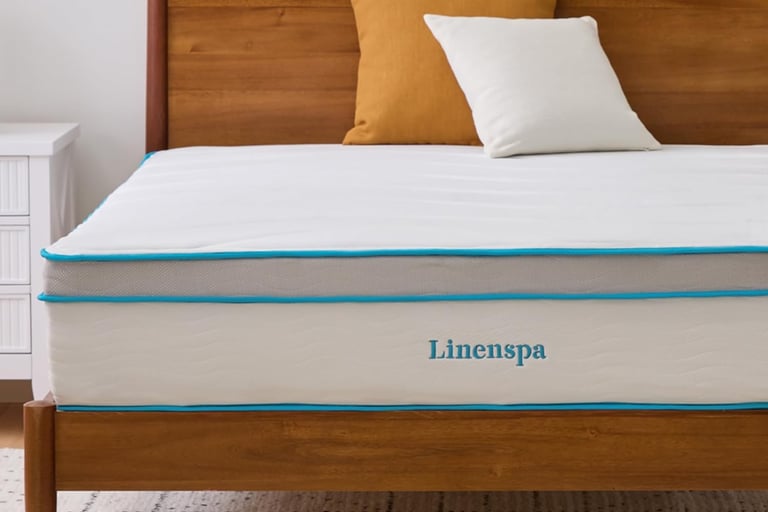
Linenspa Hybrid Mattress – Best Hybrid for Spinal Alignment
Hybrid mattresses get a lot of attention for back pain, and for good reason. They combine the pressure relief of foam with the support and bounce of innerspring coils. The Linenspa hybrid does this in a way that's accessible and effective.
The coil system provides a sturdy foundation that keeps your spine aligned, while the foam comfort layer on top relieves pressure at your hips and shoulders. You won't sink as deeply as you would with all-foam, which some people prefer—it makes it easier to shift positions and doesn't have that "stuck" feeling.
This mattress leans medium-firm, which is the sweet spot for most people dealing with lower back discomfort. It's supportive enough to prevent your hips from sagging but soft enough to cushion pressure points. Combination sleepers—people who switch between back, side, and stomach throughout the night—tend to do especially well on hybrids like this because the responsiveness makes movement easier.
The innerspring core also promotes airflow, so it sleeps cooler than most all-foam options. If you've been waking up sweaty on memory foam, this is worth considering.
Who it's best for: Combination sleepers and anyone who wants the best of both worlds—contouring comfort and solid support. Also great if you tend to sleep warm.
Check availability on Amazon to compare sizes and details.
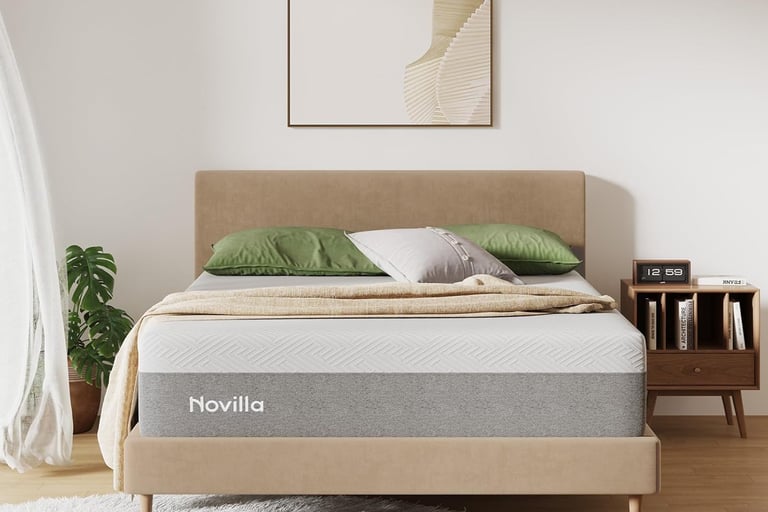
Novilla Medium-Firm Memory Foam – Best Value Foam Option
Not everyone has the budget for a premium mattress, and that's fine. The Novilla medium-firm memory foam proves you don't need to spend a fortune to get decent spinal support.
This mattress uses a gel-infused memory foam top layer to help with heat dissipation, which is a smart move at this price point. The base foam provides stable support, and the overall feel offers neutral alignment that works for most back pain sufferers. You're getting pressure relief and alignment without the luxury brand markup.
Is it as refined as a more expensive mattress? No. But if you're on a tight budget and your current mattress is making your back worse, this is a reasonable step up. It's especially useful for guest rooms, young adults furnishing a first apartment, or anyone who needs a functional mattress without the bells and whistles.
One note: like most memory foam, it'll have a slight off-gassing smell when you first unbox it. Let it air out for a day or two, and it fades.
Who it's best for: Budget-conscious buyers who need better support than a worn-out mattress but can't stretch to premium pricing. Also solid for guest rooms.
Check availability on Amazon to see if it fits your space and budget.
Novilla Hybrid Mattress – Best for Combination Sleepers with Back Pain
If you move around a lot at night, you need a mattress that responds without fighting you. The Novilla hybrid is built for that.
The individually wrapped coils adjust to your body as you shift positions, so you're not constantly waking up to adjust yourself. The foam layers on top offer enough cushioning to relieve pressure, but the coil base keeps everything supported and bouncy. That balance is crucial if you're dealing with lower back pain and also happen to be a restless sleeper.
This mattress works well for people who sleep on their back part of the night and their side the rest of the time. The balanced support accommodates both without forcing you into one position. And because it's a hybrid, it doesn't trap heat the way solid foam does, which is a bonus if you're already dealing with discomfort and don't need night sweats added to the mix.
It's not the cheapest option here, but it's far from the most expensive either. If you've been on an all-foam mattress and it's not cutting it—or if you're coming from an old innerspring that's lost its support—this is a smart middle ground.
Who it's best for: Combination sleepers, people who run warm at night, and anyone who values easy movement and responsiveness over deep contouring.
Check availability on Amazon for current stock and sizing.
Memory Foam vs Hybrid for Lower Back Pain: What's the Real Difference?
Here's the breakdown without the fluff.
Memory foam contours closely to your body, which means excellent pressure relief. It cradles your hips and shoulders, reducing strain on your lower back. The downside? It can feel like you're sinking in, and it tends to sleep warmer. If you're a back or side sleeper who stays relatively still at night, memory foam often works beautifully. It's also quieter—no squeaking springs.
Hybrid mattresses combine foam comfort layers with a coil support system. You get pressure relief on top and sturdy, responsive support underneath. Hybrids sleep cooler, bounce back faster when you move, and often feel more "traditional" if you're used to innerspring beds. They're ideal for combination sleepers and anyone who shifts positions frequently. The coils also tend to be more durable over time than foam alone.
Neither type is objectively better for back pain. It depends on your sleep style, body type, and personal preference. If you like a hugging, contouring feel and don't move much, go foam. If you want easier movement, cooler sleep, and more bounce, go hybrid.
I've switched between both over the years, and I'll say this: the "right" one is the one that keeps your spine aligned and doesn't leave you waking up stiff. Everything else is just preference.
FAQ: Common Questions About Mattresses and Lower Back Pain
What firmness level is best for lower back pain?
Most people with lower back pain do best on a mattress with neutral alignment—typically in the medium to medium-firm range. Too soft, and your hips sink out of alignment. Too firm, and pressure builds up without relief. The goal is to support your natural curve, not flatten it or exaggerate it.
How long does it take to adjust to a new mattress?
Give it at least two to three weeks. Your body needs time to adapt, especially if you're switching from a very different firmness level. Some discomfort in the first few nights is normal. If you're still waking up in pain after a month, it's probably not the right fit.
Can a mattress actually relieve back pain, or is that just marketing?
A mattress won't cure a medical condition, but it absolutely can reduce strain and improve sleep quality if your current mattress is working against you. Proper spinal alignment and pressure relief matter. If your mattress is old, sagging, or the wrong firmness, upgrading can make a noticeable difference in how you feel in the morning.
Is memory foam or hybrid better for back sleepers?
Both can work. Back sleepers generally need solid lumbar support, which hybrids often provide through their coil systems. But memory foam with a firm base layer also works well. It's less about the material type and more about the overall support structure and firmness level.
Final Thoughts: Choosing a Mattress That Actually Supports You
There's no magic mattress that fixes everyone's back pain. But there are mattresses that support your spine properly, relieve pressure where you need it, and let your muscles actually relax while you sleep. That's not a small thing.
If you're waking up stiff, your mattress is probably part of the problem. And while it's not the only factor—how long and how well you're sleeping matters too—it's one of the most controllable ones. You can't always change your stress levels or work schedule, but you can change what you're sleeping on.
Start with what feels off. If you're sinking too much, you need more support. If you're waking up with pressure points, you need more cushioning. Match that to your sleep position, consider whether you want foam or hybrid, and pick something in the medium to medium-firm range unless you have a specific reason to go softer or firmer.
And give it time. A new mattress won't feel perfect on night one. But if you're still hurting after a few weeks, don't force it. A mattress should work with your body, not against it.
The goal here isn't perfection. It's waking up without that immediate lower back ache. It's getting through your morning without needing ten minutes of stretching just to feel normal. That's worth finding the right mattress for.